
Why Early Alert Programs Fail—and How to Build One That Works
Most early alert systems in higher education flag at-risk students but rarely move retention. Why early alert programs fail—and how to build one that works.

Most early alert systems in higher education flag at-risk students but rarely move retention. Why early alert programs fail—and how to build one that works.

Modernize trade school admissions without a big IT team. Choose a mobile-first admissions CRM that automates follow-up and connects aid before Fall 2026.

Choosing enrollment management software in 2026? Here are the 5 features the best CRM for higher education must have to win student yield and retention.

💡 TL;DR: Roughly four in ten students who leave college cite finances as the reason. But the underlying failure is usually operational — aid applications stuck in paper queues, status updates that take weeks, and a process that assumes students check email and walk into offices. Today’s students live on

💡 TL;DR: The cost of manual enrollment at a small college is rarely a budget line — it’s a retention leak. Coached Pell-eligible students at the University of Utah retain 21.4 percentage points higher than uncoached peers. Austin Community College pushed graduation rates from 7% to 23% with

💡 TL;DR: Most trade schools don’t lose students to competitors. They lose them to their own internal handoff. Admissions marks a student “enrolled”; aid still shows them incomplete; the registrar doesn’t know either way; the student gets three different answers in three days and disappears. With Workforce Pell

💡 TL;DR: Community colleges are having a growth moment — 4% enrollment growth in fall 2025, outpacing every other sector. But 97% of young adults own a smartphone and 27% rely on it as their only internet connection. If your enrollment process assumes a laptop, you’re filtering out exactly the

💡 TL;DR: Paperwork at a trade school looks like a staffing line item but acts like a liability. It consumes 10-20% of your admissions and aid team’s week, delays students by days at a time, and creates the exact conditions Title IV auditors flag. With proprietary schools required
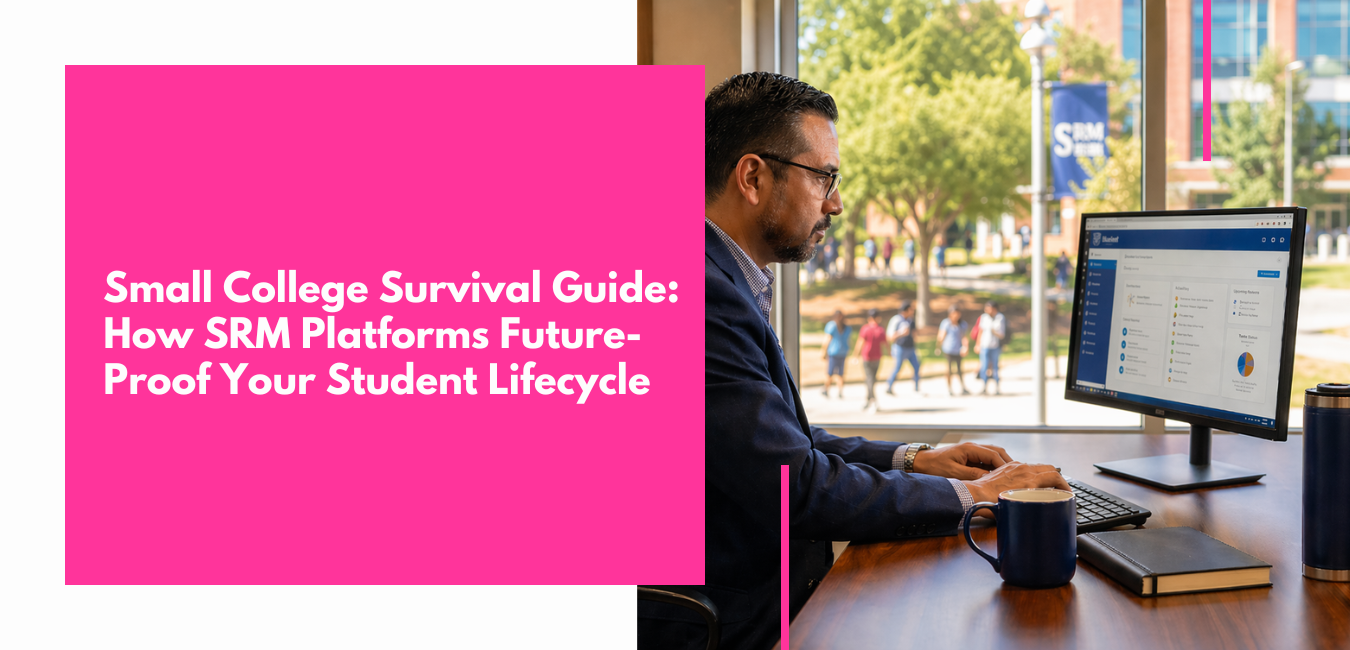
💡 TL;DR: Small colleges don’t lose students one at a time — they lose them in the gaps between systems. A Student Relationship Management (SRM) platform unifies admissions, financial aid, attendance, academics, and engagement into one workflow, so the at-risk student gets flagged on day 14 instead of semester

💡 TL;DR: 38% of students who drop out say finances drove the decision — but the underlying failure is usually administrative, not financial. Aid gets awarded late, paperwork sits in queues, and students leave before the disbursement hits. Automated financial aid processing compresses the timeline from weeks to days, catches missing

💡 TL;DR: Vocational-focused public two-year colleges have grown enrollment 20% since spring 2020, while four-year universities have stayed flat or declined. The reason isn’t mysterious — it’s price, speed-to-career, and the fact that Gen Z is choosing programs with clear labor-market outcomes. Any
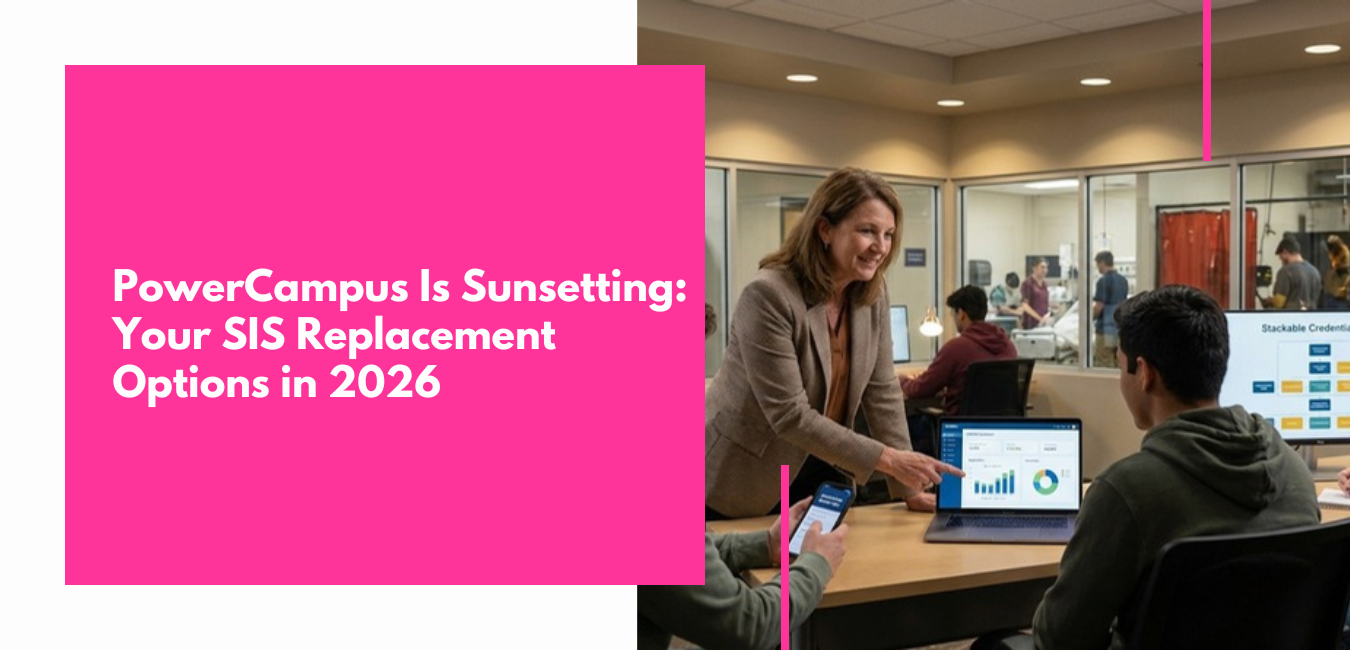
PowerCampus Is Sunsetting: Your SIS Replacement Options in 2026 When Anthology filed for Chapter 11 bankruptcy on September 29, 2025, it wasn’t a surprise to anyone watching the financials — but it was a gut punch to the hundreds of small colleges that had built their operations on PowerCampus. The